Effects of Soil Tillage on Energy Use in Potato Farming in Central Anatolia of Turkey


Yazarlar (3)
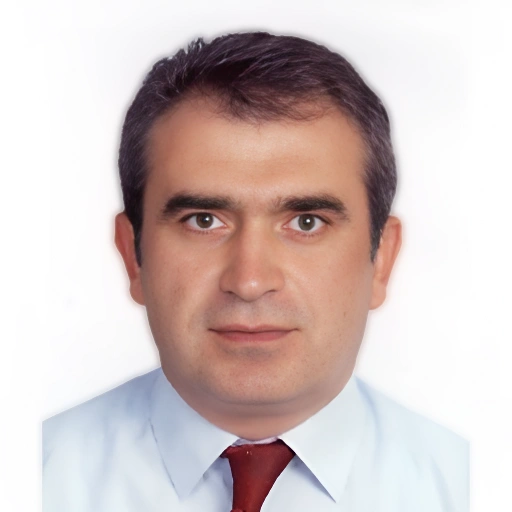
Prof. Dr. Engin ÖZGÖZ Tokat Gaziosmanpaşa Üniversitesi, Türkiye
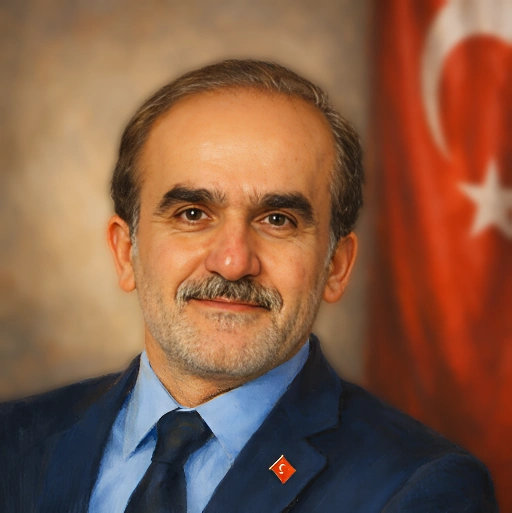
Prof. Dr. Ebubekir ALTUNTAŞ Tokat Gaziosmanpaşa Üniversitesi, Türkiye

Murat Asiltürk
Agriculture And Rural Development Support Institution, Türkiye
Agriculture And Rural Development Support Institution, Türkiye
| Makale Türü | Özgün Makale (SSCI, AHCI, SCI, SCI-Exp dergilerinde yayınlanan tam makale) | ||
| Dergi Adı | Energy (Q4) | ||
| Dergi ISSN | 0360-5442 Wos Dergi Scopus Dergi | ||
| Dergi Tarandığı Indeksler | SCI | ||
| Makale Dili | İngilizce | Basım Tarihi | 12-2017 |
| Cilt / Sayı / Sayfa | 141 / 1 / 1517–1523 | DOI | 10.1016/j.energy.2017.11.037 |
| Özet |
| Energy efficiencies of different soil tillage systems were compared in this study and the most appropriate soil tillage system was identified for Marfona and Hermes potato cultivars under Central Anatolian conditions. Soil tillage systems were as follows: (T1) Chisel in autumn + Disk harrow in spring, (T2) Moldboard plow in autumn + Disk harrow in spring, (T3) Chisel + Disk harrow in spring, (T4) Moldboard plow + Disk harrow in spring, (T5) Rototiller in spring. Cultivars and soil tillage systems had significant effects on energy parameters. The greatest energy use efficiency (Marfona: 2.29; Hermes: 1.77), energy productivity (Marfona: 0.64 kg/MJ; Hermes: 0.49 kg/MJ), and energy profitability (Marfona: 1.29; Hermes: 0.77) were observed in T3treatment and the lowest values were seen in T5 treatment of both cultivars. Indirect, non-renewable and commercial energy inputs were remarkably higher than the direct … |
| Anahtar Kelimeler |
| Energy use efficiency | Potato farming | Soil tillage |
Science Direct
Effects of Soil Tillage on Energy Use in Potato Farming in Central Anatolia of Turkey
BM Sürdürülebilir Kalkınma Amaçları

| Atıf Sayıları | |
| WoS | 15 |
| SCOPUS | 16 |
| Google Scholar | 34 |