Serum L C3-II levels in type 2 diabetic patients with impaired renal functions


Yazarlar (4)

Shahab Ahmed Salıh Gezh
Tokat Gaziosmanpaşa Üniversitesi, Türkiye
Tokat Gaziosmanpaşa Üniversitesi, Türkiye

Doç. Dr. Köksal DEVECİ Tokat Gaziosmanpaşa Üniversitesi, Türkiye
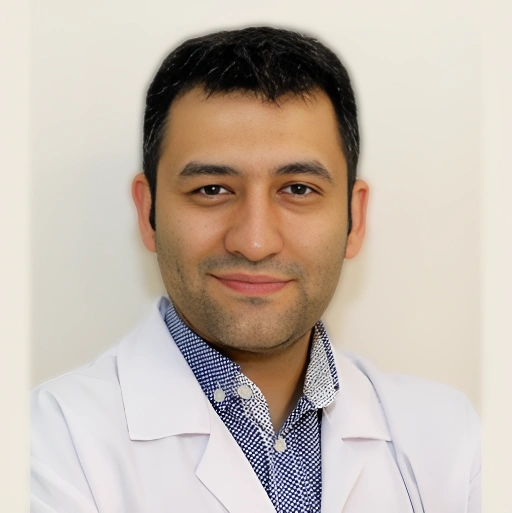
Doç. Dr. Hakan ŞIVGIN Tokat Gaziosmanpaşa Üniversitesi, Türkiye
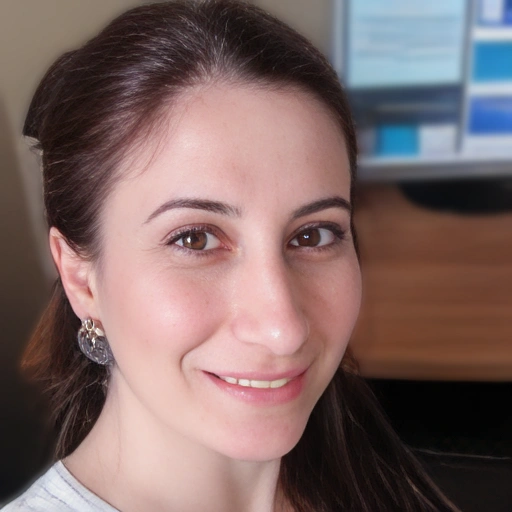
Dr. Öğr. Üyesi Figen GÜZELGÜL Tokat Gaziosmanpaşa Üniversitesi, Türkiye
| Makale Türü | Özgün Makale (SSCI, AHCI, SCI, SCI-Exp dergilerinde yayınlanan tam makale) | ||
| Dergi Adı | Cytokine (Q2) | ||
| Dergi ISSN | 1043-4666 Wos Dergi Scopus Dergi | ||
| Dergi Tarandığı Indeksler | SCI-Expanded | ||
| Makale Dili | Türkçe | Basım Tarihi | 09-2024 |
| Kabul Tarihi | – | Yayınlanma Tarihi | 01-09-2024 |
| Cilt / Sayı / Sayfa | 181 / 1 / – | DOI | 10.1016/j.cyto.2024.156683 |
| Makale Linki | https://doi.org/10.1016/j.cyto.2024.156683 | ||
| UAK Araştırma Alanları |
Tıbbi Biyokimya
|
||
| Özet |
| This study was designed to evaluate serum LC3-II, BCL-2, IL-1β, TGF-β1, and podocin levels in. type 2 diabetes (T2DM) patients with renal dysfunction. Materials: 176 Turkish subjects were enrolled, of whom 26 were healthy, and 150 had T2DM. Patients. were classified according to albumin urea ratio: 88 patients had macroalbuminuria, 20. patients had... |
| Anahtar Kelimeler |
| Autophagy | BCL-2 | DKD | LC3-II | Podocin | Proteinuria |
Science Direct
Serum L C3-II levels in type 2 diabetic patients with impaired renal functions
BM Sürdürülebilir Kalkınma Amaçları

| Atıf Sayıları | |
| Scopus | 2 |