Electrophysiological assessment in patients with long term hypoxia


Yazarlar (5)

Prof. Dr. Faik Ilik Başkent Üniversitesi, Türkiye
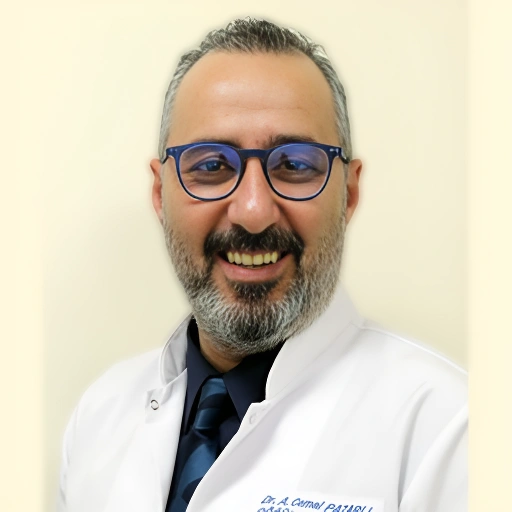
Prof. Dr. Ahmet Cemal PAZARLI Elbistan State Hospital, Türkiye

Doç. Dr. Fatih Kayhan Selçuk Üniversitesi, Türkiye
Harun Karamanlı Mevlana Üniversitesi, Türkiye
Hatice K. Ozlece Edirne State Hospital, Türkiye
| Makale Türü |
 Özgün Makale
(SSCI, AHCI, SCI, SCI-Exp dergilerinde yayınlanan tam makale)
Özgün Makale
(SSCI, AHCI, SCI, SCI-Exp dergilerinde yayınlanan tam makale)
|
||
| Dergi Adı | Neurosciences (Q4) | ||
| Dergi ISSN | 1319-6138 Wos Dergi Scopus Dergi | ||
| Dergi Tarandığı Indeksler | SCI-Expanded | ||
| Makale Dili | İngilizce | Basım Tarihi | 01-2016 |
| Kabul Tarihi | – | Yayınlanma Tarihi | 01-01-2016 |
| Cilt / Sayı / Sayfa | 21 / 1 / 26–29 | DOI | 10.17712/nsj.2016.1.20150333 |
| Makale Linki | http://www.neurosciencesjournal.org/PDFFiles/Jan16/01electrophysiological20150333.pdf | ||
| UAK Araştırma Alanları |
Nöroloji
|
||
| Özet |
| ObjectiveTo evaluate visual evoked potentials (VEP) patterns in chronic obstructive pulmonary disease (COPD) patients who were compliant with supplemental oxygen treatment relative to non-compliant COPD patients.MethodsThis prospective study protocol was reviewed and approved by the local ethical committee of Selcuk University and the research was performed in the Department of Neurology, Elbistan State Hospital, Kahramanmaras, Turkey from May to October 2014. Blood gas measurements and pulmonary function tests were carried out in patients with advanced stage COPD. The VEP was assessed in both eyes in both compliant and non-compliant patients.ResultsThe study included 43 patients; 24 (55.8%) of the patients were not in compliance with their supplemental oxygen treatment, while 19 patients (44.2%) received adequate oxygen treatment. There was no statistically significant difference … |
| Anahtar Kelimeler |

BM Sürdürülebilir Kalkınma Amaçları

| Atıf Sayıları | |
| Web of Science | 1 |
| Scopus | 2 |
| Google Scholar | 4 |