Exploring of Walnut Genetic Resources in Kazakhstanand Evaluation of Promising Selections

Yazarlar (4)
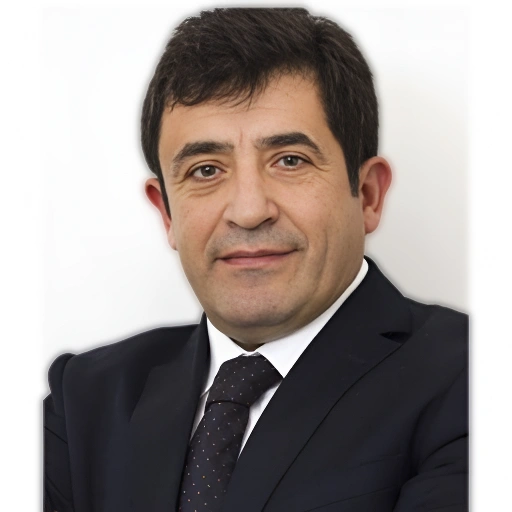
Prof. Dr. Yaşar AKÇA
Tokat Gaziosmanpaşa Üniversitesi, Türkiye

| Makale Türü | Özgün Makale |
| Makale Alt Türü | Diğer hakemli uluslarası dergilerde yayınlanan tam makale |
| Dergi Adı | International Journal of Horticultural Science and Technology |
| Dergi ISSN | 2588-3143 Scopus Dergi |
| Dergi Tarandığı Indeksler | Google Scholar, CAS, ISC, CABİ SIU, Cosmos İmpact Factor, MagiranAgris |
| Makale Dili | İngilizce |
| Basım Tarihi | 04-2020 |
| Cilt No | 7 |
| Sayı | 2 |
| Sayfalar | 93 / 102 |
| DOI Numarası | 10.22059/ijhst.2020.299930.352 |
| Makale Linki | : https:// ijhst.ut.ac.ir, Email: ijhst@ut.ac.ir |
| Özet |
| Kazakhstan has very rich walnut genetic resources; however there is no ongoing walnut breeding program. Kazakhstan government has several projects in cooperation with Russia, USA, Bulgaria, Czech Republic and Poland for plant breeding purposes. In the present research walnut genetic resources originated from Jabağıl, Tulkıbas, Sayram, Lenger, and Botanical Garden of International Hodja Ahmet Yesevi Turkish-Kazakh University of Kazakhstan were evaluated during 2015-2018. In the pre-selection stage, 47 genotypes were selected according to their lateral bearing, disease and pest tolerance. In the next step, 10 genotypes with high nut quality and high yield were selected. These genotypes were grafted onto seedling walnut rootstocks in Turkey. All of the grafted genotypes had fruit at the first year. Among 47 genotypes, we recorded nut weight between 6.21-15.18 g, kernel weight 2.36-6.64 g, kernel percentage 33.55-70.96% and average nut length 2.61-4.19 cm and nut diameter between 2.65 to 3.39 cm. The selected genotypes have been found to have very low fruit quality compared to commercial walnut varieties in the world. However, these genotypes have been evaluated as a good genetic resource for lateral bearing which can be used in breeding programs. |
| Anahtar Kelimeler |
BM Sürdürülebilir Kalkınma Amaçları

| Atıf Sayıları | |
| Google Scholar | 54 |